
What the Ops Drift Check is actually measuring
Most operational problems don’t start as failures. They start as small delays, unclear decisions, and extra handoffs that nobody names—because “things still work.”
The Ops Drift Check looks for those early signals—the places where work quietly starts waiting.
THE PROBLEM
Most operations don’t fail loudly. They drift—until they hit rocks or run out of fuel.
Drift isn’t a “people problem.” It’s structural. Decisions, ownership, and boundaries live in people’s heads instead of the work itself.
When flow breaks, everything starts waiting:
- On context
- On permission
- On the one person who “knows”
That’s where this check points.
WHAT IT MEASURES
This isn’t a culture survey. It’s not a personality test. It’s a fast scan of the repeatable conditions that make work stall, loop, or pile back on leadership.
Five categories show up in every industry because they’re “physics,” not buzzwords.
FLOW
What this catches: stalls, rework, looping work, “almost done” that never finishes.
Work slows down when starts and finishes aren’t clear. When nobody can say what “done” means, tasks get reopened, rechecked, and re-decided.
Drift shows up as: work that’s technically moving… but never landing.
DECISIONS
What this catches: permission delays, bottlenecks, slow approvals, invisible “ownership.”
Most delays aren’t technical. They’re permission delays. When it’s unclear who decides what (and when), work waits by default.
Drift shows up as: people doing “safe work” while the real decision hangs.
HANDOFFS
What this catches: dropped details, “I thought you had it,” re-explaining, re-aligning.
Every handoff is a risk point. Information degrades, assumptions sneak in, and accountability blurs—especially under pressure.
Drift shows up as: small misses that become big resets.
KNOWLEDGE
What this catches: repeat questions, tribal habits, “ask Mike,” training that evaporates.
Repeated questions aren’t a training issue. They’re a storage issue. Critical knowledge exists in people’s heads, texts, and habits—not in the work.
Drift shows up as: the same problems returning… because the answer never got pinned down.
OWNER LOAD
What this catches: leader-as-glue, constant interrupts, decisions reverting upward.
When the system depends on one person to keep moving, it’s already fragile. Growth doesn’t fix that—it amplifies it.
Drift shows up as: everything runs… until you step away.
WHY DRIFT COMPOUNDS
These issues don’t stay isolated. One unclear decision creates extra handoffs. Extra handoffs create repeat questions. Repeat questions pull leaders back into the weeds.
That’s how teams get busy without getting faster—and why growth often adds stress before it adds profit.
WHO THE HELL IS FusionTriage?
FusionTriage exists because real operations problems don’t fit inside a job title.
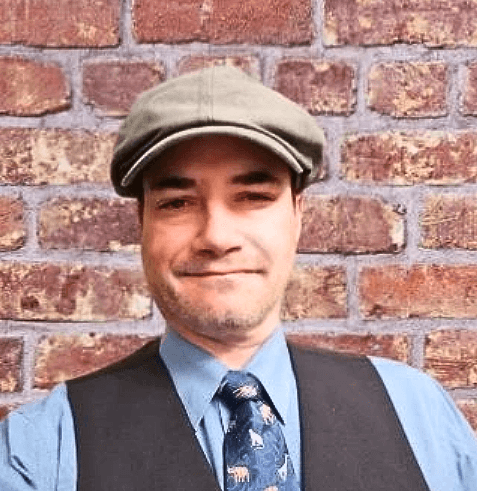
Hey, I’m Joe. I don’t sell vague process theory.
I live to defend flow and profits.
I’ve spent decades inside real operations—where pressure, interruptions, and imperfect humans are the norm. And mistakes can take lives.
This work is about making sure the right thing happens when it counts.
- Built in the field: manufacturing, logistics, field service, and the messy middle where work actually breaks.
- Not tool-first: tools don’t fix unclear ownership, leaky handoffs, or tribal knowledge.
- Less theater: fewer dashboards, more “what happens on Tuesday at 2:17 PM when it’s chaotic.”
If you want the clean version: FusionTriage helps teams capture what their best people know, reduce rework, and keep decisions from stalling the day.
Where I’ve Been in the Ops Trenches:





WANT TO SEE HOW IT HOLDS UP?
Some people want a quick signal. Others want a reliable scorecard they can use with a team. Start where it makes sense.
No calls. No setup. No hype. Just a clean signal you can act on.